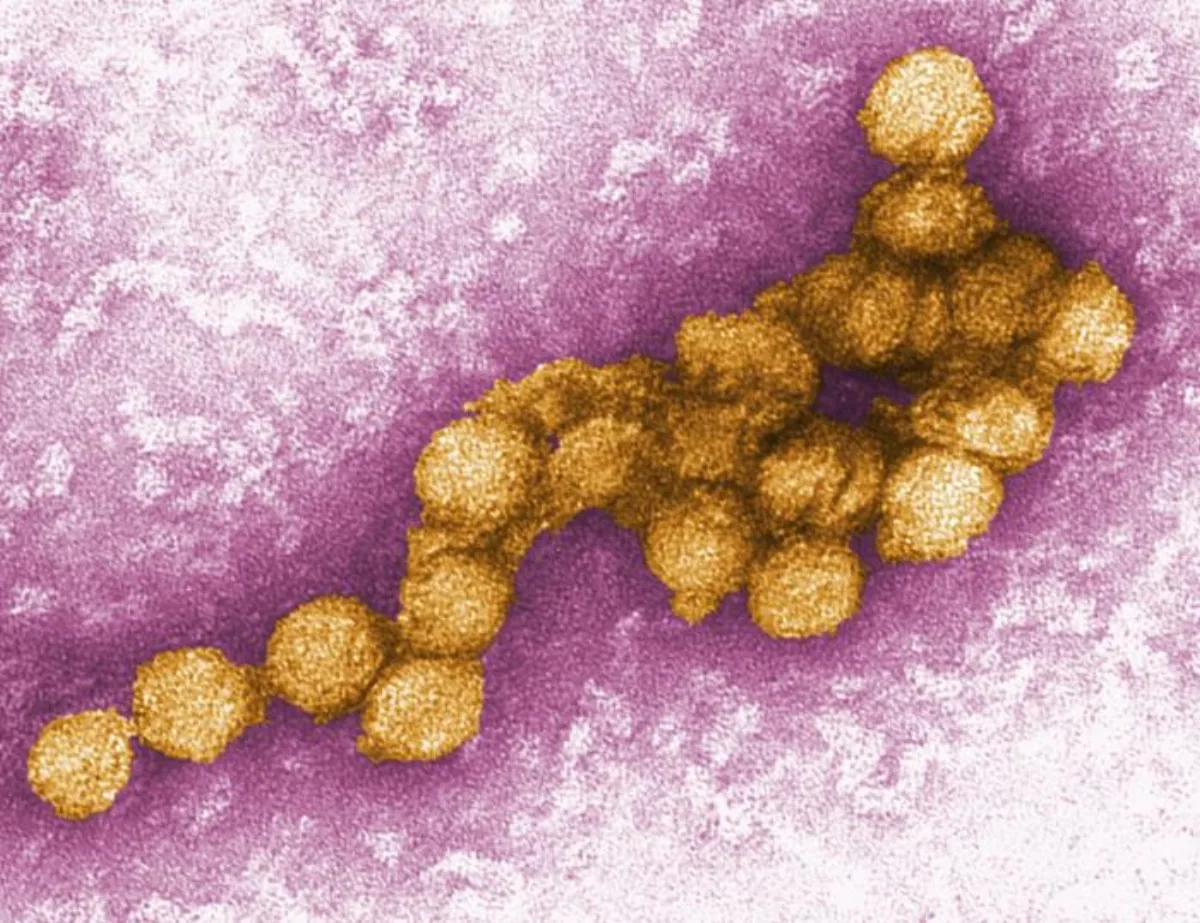
The San Joaquin County Mosquito and Vector Control District confirmed the first West Nile virus-positive mosquitoes of the 2026 season in mid-June, collected from Upper Jones Tract, one of the Delta islands roughly ten miles west of Stockton. The finding marked the formal start of the county's annual West Nile virus surveillance season, which district officials say has produced a positive detection every summer for more than two decades.
District spokesperson Sumiko De La Vega urged residents to take basic precautions as the season progresses. "As temperatures continue to rise this summer, residents should take steps to reduce mosquito development around their homes and protect themselves from mosquito bites," De La Vega said in a statement. She urged residents to eliminate standing water around their yards where mosquito eggs can hatch and to use insect repellent to prevent bites.
What Vector Control Officials Are Recommending
- Eliminate standing water in yards where mosquitoes can lay eggs — including plant saucers, children's toys, and debris
- Use an EPA-registered insect repellent outdoors, following label directions
- Avoid spending time outside when mosquitoes are most active, especially at dawn and dusk
- Request free mosquito fish from the district — delivered by calling the district, filling out its request-service form, or picking them up at its Stockton office — for ponds, troughs, or other standing water on a property
A Statewide Picture
The San Joaquin County detection is part of a broader statewide pattern tracked by the California Department of Public Health's West Nile virus surveillance program. As of the state's most recent published update, West Nile virus activity in 2026 had been confirmed through positive mosquito samples in 22 California counties, positive dead birds in 15 counties, and human cases in two counties.
According to the state's West Nile virus surveillance site, California recorded 117 human West Nile virus cases and 11 deaths in 2025.
San Joaquin County's Mosquito and Vector Control District tests mosquito and dead-bird samples for the virus on a weekly basis throughout the season.
Why the Delta Detection Matters
West Nile virus is transmitted to humans through the bite of an infected mosquito, which typically becomes infected after feeding on an infected bird. According to the county's vector control district, most people infected with the virus never develop symptoms; a smaller share develop fever and other symptoms; and a small fraction — described by the district as less than one percent of those infected — develop severe illness.
DFP's Public Health Coverage
Dismal Freedom Press tracks county and state public health data releases affecting San Joaquin County and the broader Central Valley, including vector-borne disease surveillance, health department press releases, and Board of Supervisors actions on public health funding.